Pet Deworming Calculator

Accurate Deworming Dosages for Cats & Dogs

Worm infestations are common yet preventable in pets worldwide. Use our Pet Deworming Calculator to quickly determine the safe, accurate dose for your cat or dog.
  1. Select species: Cat or dog.
  2. Select life stage: Kitten, puppy, or adult.
  3. Enter pet’s weight: Accurate dosing depends on it.
  4. Choose product or active ingredient: Optional, but gives brand-specific guidance.
  5. Click Calculate: Instant personalized dose.

Choose your pet

Life stage

Weight KG

4 KG
0 KG10 KG100 KG
(BY PRODUCT)
Please select a product or salt and enter a valid weight.

Result

Daily Dose
MG
ML
Product

What Is the Deworming Calculator and Why Do You Need It?

Keeping your pet free of intestinal worms is essential for responsible pet care. Our Cat and Dog Deworming Calculator is an easy-to-use tool providing personalized worming schedules.

Why Regular Deworming Is Important

Deworming is a vital aspect of pet healthcare. Regular treatment helps control internal parasites, ensuring your pet’s well-being. Here’s why a consistent deworming routine matters

Common Internal Parasites in Cats & Dogs

Roundworms (Ascarids)

  • Long, spaghetti-like worms residing in intestines.
  • Puppies often contract roundworms before birth or via mother’s milk; kittens through nursing.
  • Causes potbelly, diarrhea, vomiting, malnutrition.
  • Eggs remain infectious in soil for extended periods.
  • Zoonotic risk (can infect humans if accidentally ingested).

Hookworms

  • Small worms attaching to intestinal walls, feeding on blood.
  • Infection via ingestion or skin penetration from contaminated soil; also through mother’s milk.
  • Causes anemia, weakness, pale gums; potentially fatal in young pets.
  • Zoonotic: larvae can penetrate human skin, causing irritation.

Whipworms (mostly dogs)

  • Found in large intestine (cecum and colon).
  • Causes bloody diarrhea, weight loss, general weakness.
  • Eggs survive long-term in soil; infections challenging to detect and treat.
  • Rarely zoonotic; specific treatments like fenbendazole required.

Tapeworms

  • Flat, segmented worms commonly acquired by ingesting infected fleas or prey.
  • Segments resemble grains of rice; found near pet’s anus or feces.
  • Generally mild symptoms: itching, mild diarrhea, poor coat condition.
  • Zoonotic if humans ingest infected fleas; flea control crucial for prevention.

Giardia and Coccidia (protozoa, not worms)

  • Microscopic parasites causing diarrhea, soft stools.
  • Require specific treatments; veterinary fecal exams necessary.

Heartworms (non-intestinal)

  • Reside in heart and blood vessels; transmitted by mosquito bites.
  • Monthly or annual preventives essential; often protect against intestinal worms.
  • Critical component of overall parasite control.

Top Deworming Products for Pets (Cats & Dogs)

Choosing the right deworming product is crucial. It should target specific parasites and be safe for your pet’s species and age. Below is a selection of top-rated dewormers

Target Species

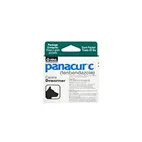
Dogs (tablet)
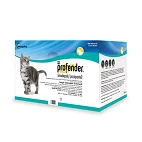
Cats (tablet)
Dogs (granules)
Cats (topical spot-on)
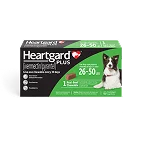
Dogs (chewable)
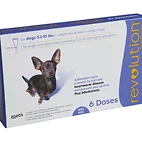
Cats and Dogs (topical)
Dogs (chewable)
Cats and Dogs (tablet)

Active ingredients

Praziquantel, Pyrantel pamoate, Febantel
Praziquantel, Pyrantel pamoate
Fenbendazole
Emodepside, Praziquantel
Ivermectin, Pyrantel pamoate
Selamectin
Praziquantel, Pyrantel pamoate
Fenbendazole, Pyrantel, Praziquantel
Praziquantel, Fenbendazole
Praziquantel, Pyrantel, Febantel

Deworming Schedule by Life Stage

How often should you deworm your pet? It depends on age and lifestyle. Puppies and kittens require frequent early deworming, while adults have longer intervals. Below is a vet-recommended schedule:

Recommended Deworming Schedule

2, 4, 6, and 8 weeks; monthly at 12 and 16 weeks; again at 6 months.
Start at 3 weeks, then every 2 weeks until 9 weeks; monthly until 6 months.
Deworm at 6 months and again after every 2 to 3 months
At least after every 3 months
Every 2 to 3 months minimum; mandatory for high-risk outdoor cats.

Immediately upon intake and again after 2 weeks; then regular schedule based on age.

Featured Deworming Products

Time to Use the Deworming Calculator

Armed with all this knowledge about worms, schedules, and precautions, you’re ready to take the next step: use the Deworming Calculator to create your pet’s personalized deworming plan. It only takes a minute to input your pet’s info and get a schedule you can trust.

By staying proactive and following a routine, you’ll ensure your beloved cat or dog stays happy, healthy, and free of harmful parasites. No more worrying about when the last deworming was or when the next one is due – the calculator will keep you on track.

Regular deworming is an investment in your pet’s well-being and can potentially add years to their life by preventing complications from worms.

Use the Deworming Calculator Now.


Enter your pet’s details and get instant results. Then, stock up on any needed deworming products and mark your calendar for upcoming doses. If you have questions, reach out to your veterinarian – they can confirm the plan and address any specific concerns.

Keeping pets worm-free is a team effort between you, your vet, and tools like this calculator. With a solid plan in place, you can enjoy peace of mind knowing you’re doing everything to protect your furry friend from intestinal invaders. Here’s to a healthy, worm-free life for your cats and dogs – and a cleaner, safer home for the whole family!


Frequently asked question

How to deworm a cat?
Administer veterinarian-approved deworming medicine for cats dosed by weight and life stage.
Schedule the follow-up dose two weeks after the first to eliminate newly hatched larvae.
Adult cats need deworming cats every 2–3 months; high-risk or outdoor cats may require more frequent treatment.
Common types of worms in cats include roundworms, hookworms, tapeworms, and whipworms.
Look for worms in cats indicators such as pot-bellied appearance, diarrhea, vomiting, or a dull coat.
Use weight-based chewables or topicals for deworming dogs, under veterinary guidance.
Routine deworming dogs every 3 months; adjust frequency based on lifestyle and vet advice.
Confirm infection with a fecal exam, then deworm dog with a broad-spectrum agent and repeat as directed.
Administer a gentle puppy dewormer starting at 2 weeks old, repeating every 2 weeks until 8 weeks.
Choose a broad-spectrum formula containing praziquantel, pyrantel pamoate, and febantel for maximum coverage.